|
Good Morning |
✈️ Let Google’s AI Plan Your Vacation
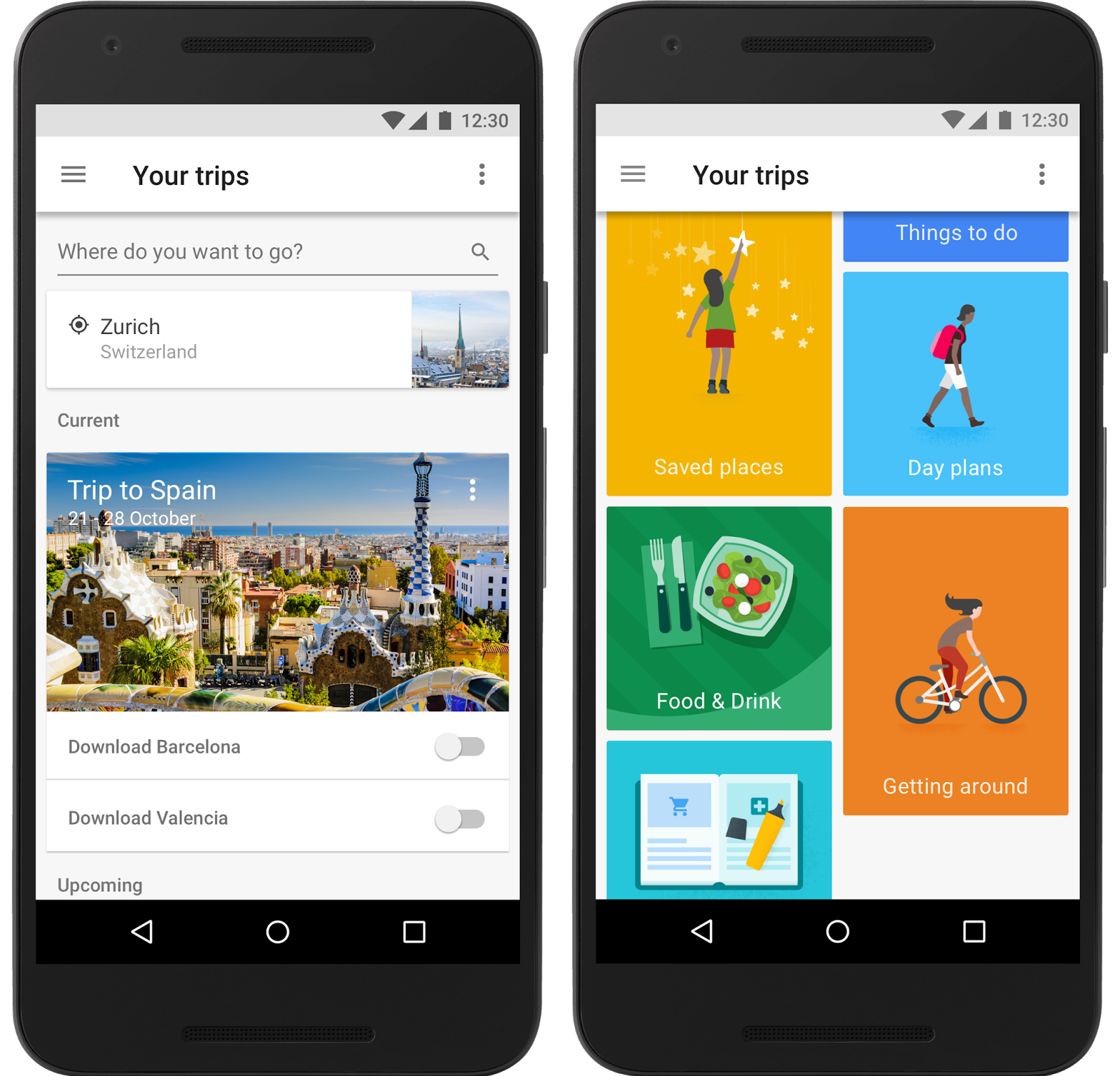
Use Google’s AI Overviews to create day-by-day itineraries just by typing “plan a nature trip to Costa Rica.” Gemini helps brainstorm ideas, find flights, and suggest what to pack. Export plans to Docs or Maps so you’re ready to go when adventure calls.
Track hotel prices and get alerts when rates drop. Let Gemini turn screenshots into mapped lists so your saved spots don’t get lost in your camera roll. Use Lens to identify landmarks or translate menus—your travel guide just fits in your pocket.
AI takes the stress out of planning and helps you travel smarter. From personalized itineraries to real-time translation, these tools make trips smoother, more fun, and more affordable—so you can focus on the experience, not the logistics. |
🖼️ OpenAI Struggles with Anime Image Craze
Sam Altman today revealed the social media craze about the new image gen feature forced Open AI to rate limit the usage. The viral Ghibli-style image generation feature in ChatGPT exploded on social media, with users turning real-world moments into anime scenes. The demand overwhelmed OpenAI’s GPU infrastructure, prompting a cap of 3 images per day for free users.
The combo of nostalgia, creativity, and easy sharing made the Ghibli filter an instant hit. But the tech behind it is resource-heavy. Altman admitted their GPUs were “melting” as millions flooded the tool, forcing OpenAI to scale back before systems crashed.
This shows both the power and limits of current AI. As creative tools go mainstream, infrastructure strain, copyright debates, and ethical concerns, like Miyazaki’s disapproval, will shape how and if AI can sustainably support global cultural moments. |

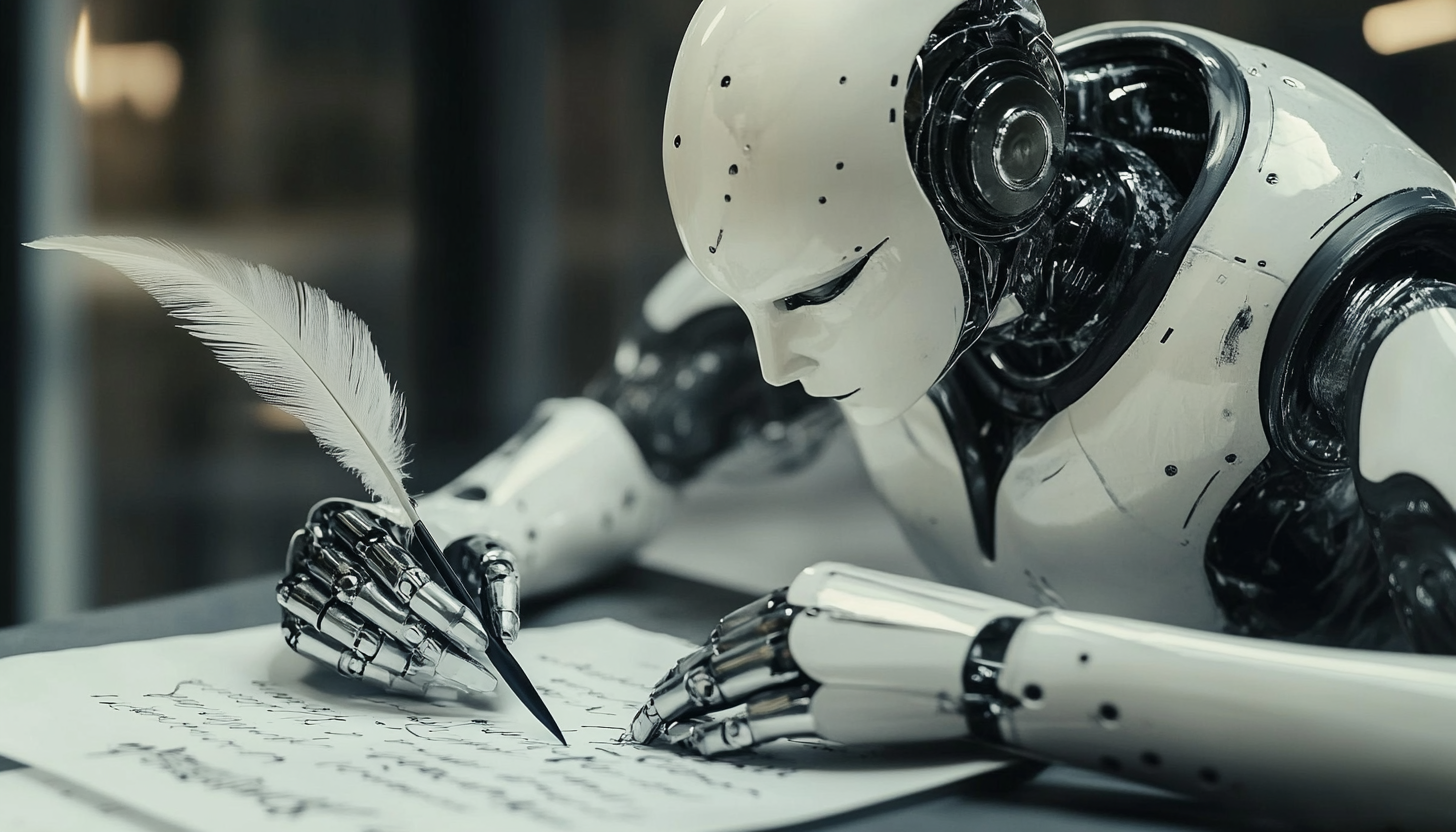
🎨 Inside the Mind of an AI Poet
A new research by Antropic shows LLMs like Claude plan poetry by thinking ahead: before writing a rhyming line, Claude brainstorms potential rhymes (like “rabbit” for “grab it”) and crafts the line to reach that word, showing it doesn’t just predict the next word, but often maps out where it’s going.
Not only that but also LLMs don’t switch between separate “language modes”, they think in a shared conceptual space. This “universal language of thought” lets them understand and translate ideas across dozens of languages seamlessly. One mind, many tongues.
The research shows major progress in understanding how LLMs actually work. By tracing internal circuits, researchers found that Claude plans ahead in tasks like poetry, thinks in a shared cross-language space, and sometimes fabricates reasoning, revealing both power and limits. |